
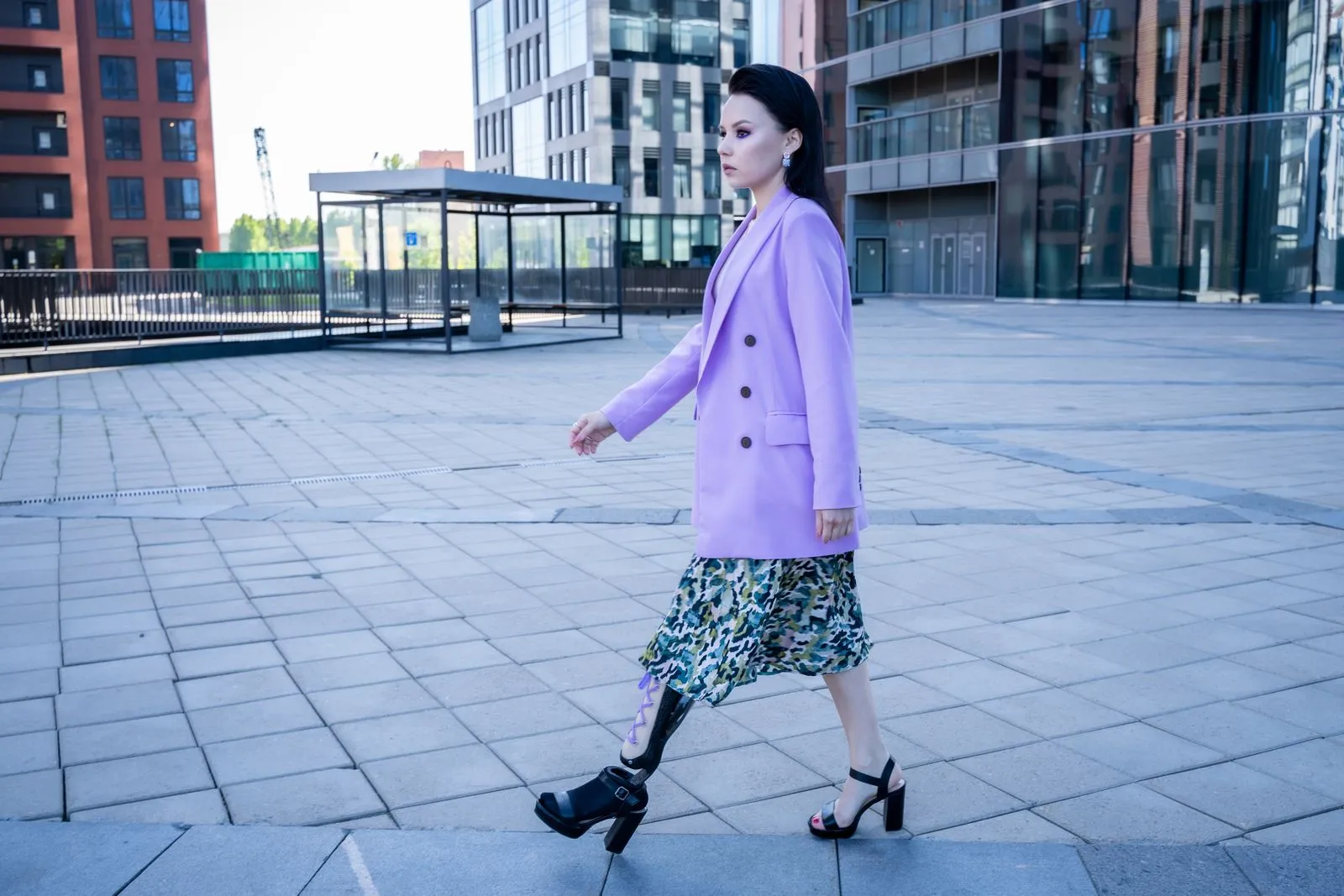
Body changes can make getting dressed feel unfamiliar, whether they happen gradually or after a major life shift. You don’t need to replace everything or follow a new set of rules. Start by noticing how your clothes feel and function today. A few thoughtful fit adjustments, a review of your favorites, and a practical approach to shopping can help you feel more at ease in your wardrobe while keeping your personal style.
Start With Comfort and Fit
Try on everyday clothes at a time when you can move comfortably and pay attention to how each piece feels while sitting, reaching, and walking. Notice pinching, gaping, slipping, or fabric that pulls across the body. These signs can help you identify what needs changing more clearly than a number on a clothing tag.
Check the fit in the areas that affect comfort most: shoulders, waist, hips, bust, and thighs. A garment can fit well in one area and need adjustment in another. If you like a piece but it feels restrictive, consider whether a different cut, stretchier fabric, or simple tailoring could make it wearable again.
Keep Favorites That Work
Sort your wardrobe into three practical groups: clothes that feel good now, pieces that might work with a small adjustment, and items that no longer serve you. Keep the first group easy to reach. This gives you reliable choices for daily dressing without forcing you to decide about every item at once.
A favorite does not have to fit exactly as it once did to stay useful. Try wearing it open as a layer, pairing it with a different bottom, or asking a tailor about a repair or alteration. If it remains uncomfortable or takes too much effort to style, store it separately while you decide. You can keep the memory without making it part of your everyday routine.
Shop for Your Current Needs
Before shopping, write down what your clothes need to do. You might want an easy-to-adjust waistband, a top that layers comfortably, or a jacket that allows room to move. A short list helps you compare items by function and reduces the chance of buying something that looks appealing but does not fit your routine.
Choose the size and cut that feel comfortable now, and check the garment’s fit rather than relying on the label. Sizes vary between brands and styles. When possible, try on clothes with the undergarments and shoes you expect to wear with them, then sit and move before deciding. Review the return policy if you order online.
Build Gradually, Not All at Once
You can refresh a wardrobe in stages. Begin with the categories you reach for most, such as work clothes, everyday tops, or comfortable pants. Identify a few combinations that already work, then fill specific gaps instead of replacing an entire closet. This makes it easier to learn which shapes and fabrics suit you now.
Keep notes on details that help: preferred rises, sleeve lengths, closures, fabrics, or brands whose cuts feel dependable. Your needs may continue to change, so treat these notes as a useful starting point rather than permanent rules. Norfolk Style Co. can help you review fit and identify practical options when you want personalized support.
Your wardrobe can change along with your body, one comfortable choice at a time. Keep what serves you, adjust what has potential, and let go of pieces that make getting dressed harder. If you’d like help sorting through fit and style options, consider reaching out to Norfolk Style Co. for a practical conversation.